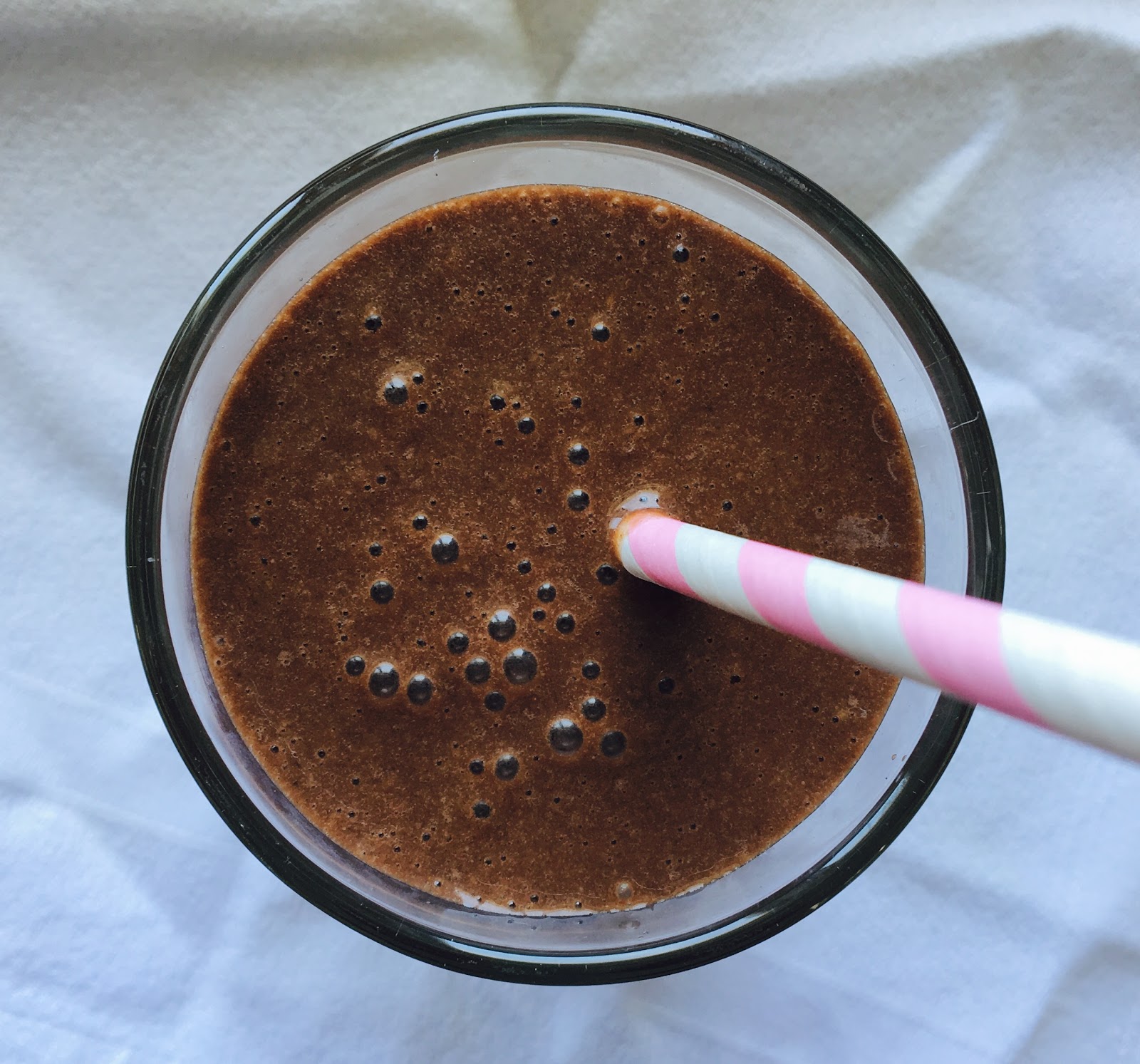
In Lois Daish's 1993 book, Dinner At Home, one of the chapters is called 'I Wish There Was Another Name For Mince'. I know just what she means. (There's also a chapter called 'Rice, Not Glue', but we'll save an exploration of that topic for another time.) Mince couldn't sound less appetising if it tried. It needs a fancy marketing campaign dreamed up by a room full of consultants on six-figure salaries to change its public image from drab to fab. Alternatively, it just needs more recipes like this one, which I dreamed up to convince the anti-mince brigade in my house.
Middle Eastern meatballs
These are inspired by my absolute all-time favourite meatloaf recipe - a recipe I love so much I wrote it down in a proper notebook. I love all of Paula's blog, but that meatloaf is a true gem. These meatballs are a good way to a) coax the non-meatloaf-loving eaters at your table to eat mince and b) stretch a little meat into a feast for four.
3 Tbsp olive oil
2 cloves garlic, finely chopped
2 onions, finely chopped
1 tsp salt
1 tsp ground cumin
1 tsp ground cinnamon
3 Tbsp tomato ketchup (or chutney)
3 Tbsp honey
zest and juice of two lemons
a handful of sultanas
a handful of fresh parsley, finely chopped
500g good lamb mince
1 egg, lightly beaten
1/3 cup cold water
100g stale ciabatta or sourdough, blitzed to crumbs
sesame seeds, optional
Heat the oil in a large frying pan and saute the onion and garlic over medium heat until it is soft and golden. Add the salt, spices, tomato ketchup, sultanas, lemon zest and juice and cook, stirring all the time, for about five minutes, or until it thickens. Remove the pan from the heat and tip the mixture into a large bowl to cool completely. While you're waiting, line a large roasting dish with baking paper and turn the oven to 200C.
When the onion mixture is cool, add the mince, chopped parsley, beaten egg, breadcrumbs and water to it. Mix gently with your hands - don't squish it all together, keep it light. Form tablespoons of the mixture into balls and place on the prepared tray. When they're all shaped, bake the meatballs for about 35-40 minutes, turning them halfway through. If you can be bothered, sprinkle them with sesame seeds about 10 minutes before they're done.
Serve with hummus, yoghurt mixed with a clove of crushed garlic, some salt, finely diced cucumber and lemon juice, some green leaves and pita breads.
What's your favourite thing to do with mince?
-The KitchenMaid-
Wednesday, June 19, 2013
Monday, June 17, 2013
No-knead spelt bread
A mystery visitor changed my life last Friday. I went out for a few hours and returned home to find crumbs all over the kitchen floor and a tea towel draped artistically over the stovetop. Now, neither of these things are that unusual - our floors are usually so covered in crumbs it looks like Hansel and Gretel have been passing through and tea towels are often appropriated by a pair of small hands to make doll beds or princess dresses. But the strange formation of these crumbs, and the teatowel's odd positioning, spoke of something else. All at once it dawned on me - the oven man had come! I jumped up and down on the spot beside the oven, both in utter joy and to test whether or not the door was going to fall open. It didn't budge. I pulled on the door handle and it reluctantly opened, eager to spring back into position. I was so excited I took a video of myself opening the oven door and sent it to my beloved. "This is one of the nicest things you've ever done for me," I wrote.
You may think this indicates that a) I need to get out more and b) that my relationship is in serious trouble, but if you'd spent the last 18 months grappling with an oven that didn't close properly, you'd be excited too. I've spent all weekend marvelling at how easy it is to cook things when the oven door doesn't fall open at whim and how quickly the oven heats up now that half the heat isn't escaping. One of the first things I made was a spelt version of my ye olde DIY Vogels bread. Here's how I did it.
No-knead spelt bread
I'm on a bit of a spelt kick at the moment, not least because I can buy organic spelt flour from a great shop just minutes away - but most supermarkets stock it now too. If you can boil a kettle and stir (not simultaneously), then you can make this bread. I use my own toasted muesli - like this one or this one - when making this but any decent bought one will suffice. If you leave it out, consider throwing in some seeds instead.
300g white spelt flour
300g wholemeal spelt flour
120g toasted muesli
2 tsp dried yeast
1 1/2 tsp salt
1 Tbsp honey
300ml milk
350ml boiling water
Put everything into a large bowl and mix well - it will be like porridge. Scrape into a very-well oiled and lined large loaf tin (internal measurements roughly 20cm x 10cm x 8cm).
Put into a cold oven and turn the dial to 50C. Leave for about 25 minutes, until the dough has risen to the top of the tin. Turn the heat to 200C and bake for another 40 minutes, until crusty on top and hollow when you tap it on the bottom.
Turn out to a rack to cool. This makes excellent toast, or you can cut it into canape-sized bits and have it with cream cheese and pickled ginger or smoked salmon.
What was the best thing that happened to your kitchen last week?
You may think this indicates that a) I need to get out more and b) that my relationship is in serious trouble, but if you'd spent the last 18 months grappling with an oven that didn't close properly, you'd be excited too. I've spent all weekend marvelling at how easy it is to cook things when the oven door doesn't fall open at whim and how quickly the oven heats up now that half the heat isn't escaping. One of the first things I made was a spelt version of my ye olde DIY Vogels bread. Here's how I did it.
No-knead spelt bread
I'm on a bit of a spelt kick at the moment, not least because I can buy organic spelt flour from a great shop just minutes away - but most supermarkets stock it now too. If you can boil a kettle and stir (not simultaneously), then you can make this bread. I use my own toasted muesli - like this one or this one - when making this but any decent bought one will suffice. If you leave it out, consider throwing in some seeds instead.
300g white spelt flour
300g wholemeal spelt flour
120g toasted muesli
2 tsp dried yeast
1 1/2 tsp salt
1 Tbsp honey
300ml milk
350ml boiling water
Put everything into a large bowl and mix well - it will be like porridge. Scrape into a very-well oiled and lined large loaf tin (internal measurements roughly 20cm x 10cm x 8cm).
Put into a cold oven and turn the dial to 50C. Leave for about 25 minutes, until the dough has risen to the top of the tin. Turn the heat to 200C and bake for another 40 minutes, until crusty on top and hollow when you tap it on the bottom.
Turn out to a rack to cool. This makes excellent toast, or you can cut it into canape-sized bits and have it with cream cheese and pickled ginger or smoked salmon.
What was the best thing that happened to your kitchen last week?
Friday, June 14, 2013
Treat me: Chocolate mint bars
When I was a child and my parents went out for dinner, the next morning there would often be a gold-wrapped after-dinner mint on my bedside table - a treat from the night before. I'm sure Mum was the selfless one - Dad couldn't go past any kind of chocolate - and I always thought it was incredibly glamorous (bearing in mind it was the early 1980s). Restaurants no longer offer after-dinner mints to departing diners (at least, not the restaurants I go to), which is a great shame because there's something irresistable about that crisp chocolate shell and melty mint middle.
Anyway, the reason I started thinking about after-dinner mints was that mint is the special guest ingredient in this month's We Should Cocoa challenge, guest-hosted by Victoria of A Kick At The Pantry Door. Here's what I came up with.
Chocolate Mint Bars
This is so easy - the hardest part is waiting for it to set. If you don't have or don't like Oreos, I think it could work with any Mint Cremes or any dark chocolate biscuit. If you're using biscuits with a creamy filling, wait until the chocolate and cream mixture is quite cool before adding them or they will melt. Feel free to increase or reduce the peppermint essence (or oil, if you can get it). Either way, don't measure it over the bowl - the laws of baking gravity will ensure you accidentally tip in much more than you intended.
150ml cream
150g dark chocolate (the darker the better - I used 70 per cent cacao), roughly chopped
150g Oreo cookies (a packet)
1-1/2 tsp peppermint essence to taste
Line a large loaf tin with baking paper, leaving enough of an overhang so you can pull the finished product out easily.
Put the cream and chocolate into a small saucepan and set over very low heat. Keep a close eye on it - as soon as the cream looks like it is about to simmer, take it off the heat and stir well until the chocolate has melted and the mixture is smooth. Set aside to cool for 10 minutes.
Crumble the Oreos with your fingers - you want them in bits, not crumbs, so they add a crunchy texture - and add to the chocolate-cream mixture, along with the peppermint essence. Stir and taste - add more if you want it to be really minty.
Pour the mixture into the prepared loaf tin and smooth the top, then put it in the fridge to set (about an hour, best after two). Carefully lift out using the baking paper and cut into slender bars. Store in an airtight container in the fridge.
Have a great weekend, everyone! x
Anyway, the reason I started thinking about after-dinner mints was that mint is the special guest ingredient in this month's We Should Cocoa challenge, guest-hosted by Victoria of A Kick At The Pantry Door. Here's what I came up with.
Chocolate Mint Bars
This is so easy - the hardest part is waiting for it to set. If you don't have or don't like Oreos, I think it could work with any Mint Cremes or any dark chocolate biscuit. If you're using biscuits with a creamy filling, wait until the chocolate and cream mixture is quite cool before adding them or they will melt. Feel free to increase or reduce the peppermint essence (or oil, if you can get it). Either way, don't measure it over the bowl - the laws of baking gravity will ensure you accidentally tip in much more than you intended.
150ml cream
150g dark chocolate (the darker the better - I used 70 per cent cacao), roughly chopped
150g Oreo cookies (a packet)
1-1/2 tsp peppermint essence to taste
Line a large loaf tin with baking paper, leaving enough of an overhang so you can pull the finished product out easily.
Put the cream and chocolate into a small saucepan and set over very low heat. Keep a close eye on it - as soon as the cream looks like it is about to simmer, take it off the heat and stir well until the chocolate has melted and the mixture is smooth. Set aside to cool for 10 minutes.
Crumble the Oreos with your fingers - you want them in bits, not crumbs, so they add a crunchy texture - and add to the chocolate-cream mixture, along with the peppermint essence. Stir and taste - add more if you want it to be really minty.
Pour the mixture into the prepared loaf tin and smooth the top, then put it in the fridge to set (about an hour, best after two). Carefully lift out using the baking paper and cut into slender bars. Store in an airtight container in the fridge.
Have a great weekend, everyone! x
Tuesday, June 11, 2013
Random recipe: Shiraz bi buqal
Regular readers of Belleau Kitchen will know that the proprietor, Dom, has been unwell recently. Rather than let a bout of illness put him off the boil, he's gone and given this month's Random Recipe challenge a 'happy and healthy' theme, extolling participants to rummage through their diet or health-related cookbooks in order to come up with something nourishing to share.
Given that I don't own any diet books, unless you count Victoria Moore's 'How to Drink' (a sort of guidebook for those who wish to pursue an alcoholic liquids diet), I instead turned to my latest find - a battered paperback called 'Wild Blackberry Cobbler And Other Old-Fashioned Recipes' - that I found at a charity shop for 50 cents. This book, first published in 1985, has recipes from Greek and Roman times through to American dishes of the 18th and 19th centuries. It's written by Katie Stewart, one-time 'cookery editor' of The Times and it's a brilliant read.
I wasn't sure a random flick through would turn up anything that Dom would consider 'happy and healthy', but I was wrong. According to Katie Stewart, the old Persian recipe from which this dish comes described it as "an excellent relish which both awakens and stimulates the appetite". If that's not happy and healthy, I'm not sure what is.
Shiraz bi buqal
You have to admit, 'shiraz bi buqal' sounds a bit more exotic than plain old 'cottage cheese with fresh herbs' - and whatever you might think of cottage cheese, it sounds more enticing than the ancient Persian equivalent of 'coagulated milk'. It's all in how you describe it, isn't it? So this then, is a mix of fresh, onion-y leeks and celery, fragrant mint, crunchy nuts and soft curds. It's good on a slice of hearty bread or with some decent crackers and perhaps a dried fig or two.
250g cottage cheese (the best sort you can get, and most emphatically NOT the 'lite' version
3 thick slices of the white part of a leek
a handful of celery leaves
6 mint leaves
1/4 tsp dry mustard powder
salt and pepper
12 walnut halves, roughly chopped
Finely chop the leek, celery leaves and mint leaves together - if you have a processor with a mini-bowl, now is one of the rare times it comes in handy. Stir into the cottage cheese with the mustard and salt and pepper. Pile this mixture into a small serving bowl and top with the walnuts. Serves two as a lunch accompaniment or four as part of a platter of delectable titbits.
Given that I don't own any diet books, unless you count Victoria Moore's 'How to Drink' (a sort of guidebook for those who wish to pursue an alcoholic liquids diet), I instead turned to my latest find - a battered paperback called 'Wild Blackberry Cobbler And Other Old-Fashioned Recipes' - that I found at a charity shop for 50 cents. This book, first published in 1985, has recipes from Greek and Roman times through to American dishes of the 18th and 19th centuries. It's written by Katie Stewart, one-time 'cookery editor' of The Times and it's a brilliant read.
I wasn't sure a random flick through would turn up anything that Dom would consider 'happy and healthy', but I was wrong. According to Katie Stewart, the old Persian recipe from which this dish comes described it as "an excellent relish which both awakens and stimulates the appetite". If that's not happy and healthy, I'm not sure what is.
Shiraz bi buqal
You have to admit, 'shiraz bi buqal' sounds a bit more exotic than plain old 'cottage cheese with fresh herbs' - and whatever you might think of cottage cheese, it sounds more enticing than the ancient Persian equivalent of 'coagulated milk'. It's all in how you describe it, isn't it? So this then, is a mix of fresh, onion-y leeks and celery, fragrant mint, crunchy nuts and soft curds. It's good on a slice of hearty bread or with some decent crackers and perhaps a dried fig or two.
250g cottage cheese (the best sort you can get, and most emphatically NOT the 'lite' version
3 thick slices of the white part of a leek
a handful of celery leaves
6 mint leaves
1/4 tsp dry mustard powder
salt and pepper
12 walnut halves, roughly chopped
Finely chop the leek, celery leaves and mint leaves together - if you have a processor with a mini-bowl, now is one of the rare times it comes in handy. Stir into the cottage cheese with the mustard and salt and pepper. Pile this mixture into a small serving bowl and top with the walnuts. Serves two as a lunch accompaniment or four as part of a platter of delectable titbits.
Friday, June 07, 2013
Treat me: Ginger cider cake
Two of my favourite redheads have birthdays this weekend - so in their honour I have devised a ginger-y cake. You don't have to have redhead or suffered years of school yard torment to enjoy it, but it helps if you like light, lovely cake studded with nuggets of crystallised ginger and walnuts. Who's in?
Ginger cider cake
This is an adapted version of a cake in Margaret Fulton's 'My Very Special Cookbook', a book worth hunting for in your next charity shop raids. I used a bottle of Rekorderlig Orange-Ginger cider (which is actually very drinkable, for once you can believe the hype), but you could use any cider or beer and change the fruit/spices accordingly. It makes a very big cake suitable for baking in a bundt tin - but make sure you grease and flour it really well or you'll suffer the consequences. I can confirm the cake is still edible when it comes out of the tin in two pieces, but it's less suitable to present to someone as a birthday treat.
250g soft butter
400g brown sugar
2 eggs, at room temperature
100g crystallised ginger, roughly chopped
100g walnuts, roughly chopped
500ml beer or cider, at room temperature
450g plain flour
2 tsp baking soda
1/2 tsp salt
2 tsp ground ginger
1 tsp cinnamon
Preheat the oven to 180C and grease and/or line a large bundt tin.
Cream the butter and sugar until light and fluffy - easiest done with a stand mixer or food processor - then beat in the eggs, one at a time, beating well after each addition. Stir in the ginger and walnuts.
Sift the flour, baking soda, salt and spices together then add about a quarter of it to the butter mixture. Fold in, then add a quarter of the beer or cider. Repeat until all the ingredients are combined.
Scrape into the prepared tin and bake for about 45 minutes, until the cake is well risen and a skewer plunged into the centre comes out clean.
Leave in the tin for 10 minutes to cool, then carefully turn out onto a rack to cool completely.
Have a great weekend, everyone x
Ginger cider cake
This is an adapted version of a cake in Margaret Fulton's 'My Very Special Cookbook', a book worth hunting for in your next charity shop raids. I used a bottle of Rekorderlig Orange-Ginger cider (which is actually very drinkable, for once you can believe the hype), but you could use any cider or beer and change the fruit/spices accordingly. It makes a very big cake suitable for baking in a bundt tin - but make sure you grease and flour it really well or you'll suffer the consequences. I can confirm the cake is still edible when it comes out of the tin in two pieces, but it's less suitable to present to someone as a birthday treat.
250g soft butter
400g brown sugar
2 eggs, at room temperature
100g crystallised ginger, roughly chopped
100g walnuts, roughly chopped
500ml beer or cider, at room temperature
450g plain flour
2 tsp baking soda
1/2 tsp salt
2 tsp ground ginger
1 tsp cinnamon
Preheat the oven to 180C and grease and/or line a large bundt tin.
Cream the butter and sugar until light and fluffy - easiest done with a stand mixer or food processor - then beat in the eggs, one at a time, beating well after each addition. Stir in the ginger and walnuts.
Sift the flour, baking soda, salt and spices together then add about a quarter of it to the butter mixture. Fold in, then add a quarter of the beer or cider. Repeat until all the ingredients are combined.
Scrape into the prepared tin and bake for about 45 minutes, until the cake is well risen and a skewer plunged into the centre comes out clean.
Leave in the tin for 10 minutes to cool, then carefully turn out onto a rack to cool completely.
Have a great weekend, everyone x
Labels:
Baking,
Cake,
Drinks,
Fruit,
Sweet Sweet Friday,
Treats,
Winter
Posted by
The KitchenMaid
at
06:48
6 comments:
Links to this post
Thursday, June 06, 2013
Post-modern Annadama bread
Have you ever heard the story of Annadamma bread? I hadn't until recently - and like most fables, it's a grim tale (though not one of Grimm's tales, if you know what I mean).
The story goes that it was invented by a hard-working farmer/fisherman/hunter in New England, who had married a hopeless cook. All hapless Anna could make was cornmeal mush (in my house that's breakfast, but perhaps tastes have changed).
Anyway, one night, when the hero (?) of the piece got home from a long day's farmin' and fishin' and huntin', he was so enraged by finding another bowl of this waiting for him that he threw in some molasses and flour, muttering 'Anna, damn her, 'Anna damn her' and put the resulting mixture in the oven.
Of course, it was a resounding success, and the moral of the story is, if you want something done right, do it yourself. Or something like that. I shudder to think what became of poor Anna.
Post-modern Annadamma bread
This is a very adapted and updated version of a recipe from my prized Time-Life Breads book. which is great on inspiration and history, but some of the recipes are just a bit weird. The original features four times as much molasses, which would render it too liquorice-ish (don't say that too quickly) for my taste and the instructions seemed very long-winded and impractical. This is a post-modern version, in which no one mutters obscenities about the cook and the bread turns out perfectly. See, dreams do come true...
60g fine cornmeal/polenta
650ml water
3 Tbsp blackstrap molasses
3 Tbsp golden syrup
2 Tbsp butter
1 1/4 tsp salt
600g strong white flour
1 Tbsp dried yeast
a little extra polenta for dusting
Put the polenta in a small saucepan and gradually add 500ml of the water, stirring all the time. Set it over medium heat and bring to the boil, stirring often, until it is very thick (about 5-10 minutes). Remove from heat and add the molasses, golden syrup, salt and butter. Beat well and set aside to cool briefly.
Put the flour and yeast in a large bowl and stir well. When the polenta mixture is lukewarm, beat this, plus the remaining 150ml of water, into the flour until a soft, sticky dough forms. Cover the bowl with a cloth and let rest for 10 minutes, then turn the dough out onto an oiled worksurface.
Pick up one side of the dough, stretch it up, then bring it down again on top of itself. Repeat from the opposite corner. Do this from each opposing corner, then scrape the dough from your hands and walk away. Leave the dough to rest for 10 minutes, then come back and repeat the pick up and stretch process again. Then leave it again for 10 minutes. Do this process once more, then scoop the dough into a well-oiled large bowl. Cover with a cloth and leave in a warm place for about 45 minutes, until nearly doubled.
Heat the oven to 200C. Tip the dough out onto the bench and knock back gently, pressing it out into a rectangle. Gather up into a round ball, tucking the ends underneath and leave on a polenta-sprinkled, baking paper-lined tray for 25-35 minutes - if you poke it gently with your finger and the indentation stays hollow, it's ready to go in the oven. Slash the top of the loaf - a cross-hatch pattern will get you the checkerboard crust in the photo above and sprinkle with a bit of polenta - then bake for about 40 minutes, or until the bottom sounds hollow when you tap it. Slide onto a rack to cool completely before slicing.
The story goes that it was invented by a hard-working farmer/fisherman/hunter in New England, who had married a hopeless cook. All hapless Anna could make was cornmeal mush (in my house that's breakfast, but perhaps tastes have changed).
Anyway, one night, when the hero (?) of the piece got home from a long day's farmin' and fishin' and huntin', he was so enraged by finding another bowl of this waiting for him that he threw in some molasses and flour, muttering 'Anna, damn her, 'Anna damn her' and put the resulting mixture in the oven.
Of course, it was a resounding success, and the moral of the story is, if you want something done right, do it yourself. Or something like that. I shudder to think what became of poor Anna.
Post-modern Annadamma bread
This is a very adapted and updated version of a recipe from my prized Time-Life Breads book. which is great on inspiration and history, but some of the recipes are just a bit weird. The original features four times as much molasses, which would render it too liquorice-ish (don't say that too quickly) for my taste and the instructions seemed very long-winded and impractical. This is a post-modern version, in which no one mutters obscenities about the cook and the bread turns out perfectly. See, dreams do come true...
60g fine cornmeal/polenta
650ml water
3 Tbsp blackstrap molasses
3 Tbsp golden syrup
2 Tbsp butter
1 1/4 tsp salt
600g strong white flour
1 Tbsp dried yeast
a little extra polenta for dusting
Put the polenta in a small saucepan and gradually add 500ml of the water, stirring all the time. Set it over medium heat and bring to the boil, stirring often, until it is very thick (about 5-10 minutes). Remove from heat and add the molasses, golden syrup, salt and butter. Beat well and set aside to cool briefly.
Put the flour and yeast in a large bowl and stir well. When the polenta mixture is lukewarm, beat this, plus the remaining 150ml of water, into the flour until a soft, sticky dough forms. Cover the bowl with a cloth and let rest for 10 minutes, then turn the dough out onto an oiled worksurface.
Pick up one side of the dough, stretch it up, then bring it down again on top of itself. Repeat from the opposite corner. Do this from each opposing corner, then scrape the dough from your hands and walk away. Leave the dough to rest for 10 minutes, then come back and repeat the pick up and stretch process again. Then leave it again for 10 minutes. Do this process once more, then scoop the dough into a well-oiled large bowl. Cover with a cloth and leave in a warm place for about 45 minutes, until nearly doubled.
Heat the oven to 200C. Tip the dough out onto the bench and knock back gently, pressing it out into a rectangle. Gather up into a round ball, tucking the ends underneath and leave on a polenta-sprinkled, baking paper-lined tray for 25-35 minutes - if you poke it gently with your finger and the indentation stays hollow, it's ready to go in the oven. Slash the top of the loaf - a cross-hatch pattern will get you the checkerboard crust in the photo above and sprinkle with a bit of polenta - then bake for about 40 minutes, or until the bottom sounds hollow when you tap it. Slide onto a rack to cool completely before slicing.
Labels:
Baking,
Books,
Bread,
Breakfast,
DIY,
Recipes,
Vegan
Posted by
The KitchenMaid
at
06:23
5 comments:
Links to this post
Tuesday, June 04, 2013
Little House polenta porridge
When I promised this week would be free of pink food and party cakes, I didn't quite anticipate spending the weekend eating very little. I'll draw a veil over the nasty details, but suffice to say two-thirds of our household spent part of the the weekend in the clutches of (or recovering from) an unpleasant stomach ailment. If this was a different sort of blog I'd be posting selfies of my resulting washboard-ish stomach - but instead, here's a recipe for a soothing sort of warming winter breakfast.
Polenta porridge
Do you remember the Laura Ingalls Wilder books? I can't wait for the Small Girl to be old enough to read them. Perhaps then she'll be keen on having this modern version of Ma's cornmeal mush for breakfast. This can be dressed up any way you like - the photo below shows it with vanilla paste and a dollop of crème fraiche - but it's also good with stewed fruit, grated apple, slices of frozen banana (hot/cold, hard/soft) or in true Little House style, butter and proper maple syrup. If you're in peak health, a splash of cream goes down well too...
For one person:
1/2 cup fine cornmeal/polenta
1 cup water
Flavourings - 1 tsp vanilla paste or extract, 2 tsp butter, a spoonful of honey or the additions mentioned above
Put the polenta in a small saucepan and add the water slowly, stirring all the time. Put it over medium heat and cook, stirring often, until it thickens and begins to simmer like lava. Turn the heat down and continue to cook for five to 10 minutes, adding a little bit more water if it seems very thick. When it's done, stir through the vanilla, butter and honey, if using, and pour into a waiting bowl. Eat while hot.
Polenta porridge
Do you remember the Laura Ingalls Wilder books? I can't wait for the Small Girl to be old enough to read them. Perhaps then she'll be keen on having this modern version of Ma's cornmeal mush for breakfast. This can be dressed up any way you like - the photo below shows it with vanilla paste and a dollop of crème fraiche - but it's also good with stewed fruit, grated apple, slices of frozen banana (hot/cold, hard/soft) or in true Little House style, butter and proper maple syrup. If you're in peak health, a splash of cream goes down well too...
For one person:
1/2 cup fine cornmeal/polenta
1 cup water
Flavourings - 1 tsp vanilla paste or extract, 2 tsp butter, a spoonful of honey or the additions mentioned above
Put the polenta in a small saucepan and add the water slowly, stirring all the time. Put it over medium heat and cook, stirring often, until it thickens and begins to simmer like lava. Turn the heat down and continue to cook for five to 10 minutes, adding a little bit more water if it seems very thick. When it's done, stir through the vanilla, butter and honey, if using, and pour into a waiting bowl. Eat while hot.
Friday, May 31, 2013
Treat me: Buttercream nirvana
You know how a picture is worth a thousand words? Then feast your eyes on this...
This is a bowl of French meringue buttercream. It's frosting heaven. My friend Agnes texted me instructions on how to make it last week after I issued a desperate SOS for advice (so handy having a pastry chef on speed dial, don't you think?) Here, in slightly longer form, is how to achieve this nirvana at your place. It is so amazingly delicious that when you've made it you will want to lock yourself in a room and just eat the whole lot, spoonful by silky spoonful.
How to make French meringue buttercream
This makes a lot - easily enough for a large layered cake and a batch of cupcakes - so you have three options: halve the recipe, eat whatever's left over or - more sensibly, freeze the remainder in a covered container.
You do need a freestanding mixer (or a very heavy-duty electric hand mixer) and candy thermometer for this - the wooden spoon trick won't work here. You can boil the syrup until it reaches the soft ball stage, but using a thermometer is much less stressful.
320g caster sugar
170g water
4 egg yolks
2 eggs
500g butter, at room temperature, sliced into 2cm chunks
1 tsp vanilla paste
food colouring - if using
Put the sugar and water in a small saucepan. Stir well, then boil until the temperature reaches 118C.
While the syrup is boiling, put the egg yolks and eggs in the bowl of a freestanding mixer and whisk until they are light and fluffy.
When the syrup has reached 118C, carefully drizzle it into the egg mixture (beating all the time). Beat on high until the mixture is thick and pale, and the sides of the bowl are cool to touch.
At this point, switch from the whisk to the paddle attachment and start adding the butter, a piece at a time, until it is all mixed in. Don't fret if it starts to look a bit like mayonnaise, just keep beating it. When the butter is all in, and the mixture is a big cloud of loveliness, add the vanilla and colouring. It's fine to leave at room temperature overnight (as long as it doesn't get too hot or cold) and it keeps in the fridge for a week, though you'll need to beat it again.
Have a great weekend, everyone. I promise no pink food next week! x
This is a bowl of French meringue buttercream. It's frosting heaven. My friend Agnes texted me instructions on how to make it last week after I issued a desperate SOS for advice (so handy having a pastry chef on speed dial, don't you think?) Here, in slightly longer form, is how to achieve this nirvana at your place. It is so amazingly delicious that when you've made it you will want to lock yourself in a room and just eat the whole lot, spoonful by silky spoonful.
How to make French meringue buttercream
This makes a lot - easily enough for a large layered cake and a batch of cupcakes - so you have three options: halve the recipe, eat whatever's left over or - more sensibly, freeze the remainder in a covered container.
You do need a freestanding mixer (or a very heavy-duty electric hand mixer) and candy thermometer for this - the wooden spoon trick won't work here. You can boil the syrup until it reaches the soft ball stage, but using a thermometer is much less stressful.
320g caster sugar
170g water
4 egg yolks
2 eggs
500g butter, at room temperature, sliced into 2cm chunks
1 tsp vanilla paste
food colouring - if using
Put the sugar and water in a small saucepan. Stir well, then boil until the temperature reaches 118C.
While the syrup is boiling, put the egg yolks and eggs in the bowl of a freestanding mixer and whisk until they are light and fluffy.
When the syrup has reached 118C, carefully drizzle it into the egg mixture (beating all the time). Beat on high until the mixture is thick and pale, and the sides of the bowl are cool to touch.
At this point, switch from the whisk to the paddle attachment and start adding the butter, a piece at a time, until it is all mixed in. Don't fret if it starts to look a bit like mayonnaise, just keep beating it. When the butter is all in, and the mixture is a big cloud of loveliness, add the vanilla and colouring. It's fine to leave at room temperature overnight (as long as it doesn't get too hot or cold) and it keeps in the fridge for a week, though you'll need to beat it again.
Have a great weekend, everyone. I promise no pink food next week! x
Thursday, May 30, 2013
How to store feta and divide eggs
Do you ever feel like your life is being sucked down a big hole called the internet? Me too. I mean, I'm exceptionally grateful that you're reading this, but I do wonder sometimes if we would all be less busy if we spent more time IRL* rather than online.
That said, I must thank the gods of the internet for saving my bacon on several occasions in the last few weeks. Here are my internet takeouts** this week, in the hope that sharing them here will save you precious time that you can spend lying on your sofa with a book.
1. How to store feta: We eat a lot of feta in this house, but I am forever either a) throwing some out after it's turned furry in the fridge or b) eating too much of it to avoid it going mouldy and being thrown out. So discovering that you can store it in brine has changed my life.
All you need to do is make up some brine - use 3 tsp salt to 500ml water - and pour this over the feta in a suitably sized plastic container with a lid. The feta should be immersed in the liquid. Seal the lid on, put it in the fridge and hey presto, no more stinky, wasted cheese.
2. How to deep fry without a thermometer: On Thursday morning I bought a new candy thermometer. On Friday morning I managed to smash it. On Saturday morning I needed to make a batch of doughnuts and lacked the will or time to go and buy a new thermometer. Rather than guess, I turned to my handy Mr Google and the best tip I found was also the easiest. Plunge a wooden spoon handle into hot oil and if the oil bubbles up vigorously, it's at the right temperature. Easy. Safe. Cheap. Brilliant.
3. How to divide an egg in half: Beat the egg until yolk and white are well combined, then measure out 1 Tbsp plus 1 tsp - it will weigh about 26g for a large egg.
4. What to do with leftover croissants: We never have leftover ones anyway, but should this happen at some stage, this is what I'm going to do with them (if you don't have time to click the link, know this: split croissants horizontally, fry in butter. Eat.)
5. What to do if you've got that cold that's doing the rounds: Thankfully I haven't had occasion to try this turmeric cure, but I am intrigued by it.
What have you learned this week?
* See, I've been spending so much time online I even know the geeky acronyms. IRL is short for 'in real life'.
** I've also been spending a lot of time in meetings (a place where good sense and ideas go to die), where speech is peppered with words like 'stakeholders', 'takeouts' and other corporate hideousness. Ugh.
That said, I must thank the gods of the internet for saving my bacon on several occasions in the last few weeks. Here are my internet takeouts** this week, in the hope that sharing them here will save you precious time that you can spend lying on your sofa with a book.
1. How to store feta: We eat a lot of feta in this house, but I am forever either a) throwing some out after it's turned furry in the fridge or b) eating too much of it to avoid it going mouldy and being thrown out. So discovering that you can store it in brine has changed my life.
All you need to do is make up some brine - use 3 tsp salt to 500ml water - and pour this over the feta in a suitably sized plastic container with a lid. The feta should be immersed in the liquid. Seal the lid on, put it in the fridge and hey presto, no more stinky, wasted cheese.
2. How to deep fry without a thermometer: On Thursday morning I bought a new candy thermometer. On Friday morning I managed to smash it. On Saturday morning I needed to make a batch of doughnuts and lacked the will or time to go and buy a new thermometer. Rather than guess, I turned to my handy Mr Google and the best tip I found was also the easiest. Plunge a wooden spoon handle into hot oil and if the oil bubbles up vigorously, it's at the right temperature. Easy. Safe. Cheap. Brilliant.
3. How to divide an egg in half: Beat the egg until yolk and white are well combined, then measure out 1 Tbsp plus 1 tsp - it will weigh about 26g for a large egg.
4. What to do with leftover croissants: We never have leftover ones anyway, but should this happen at some stage, this is what I'm going to do with them (if you don't have time to click the link, know this: split croissants horizontally, fry in butter. Eat.)
5. What to do if you've got that cold that's doing the rounds: Thankfully I haven't had occasion to try this turmeric cure, but I am intrigued by it.
What have you learned this week?
* See, I've been spending so much time online I even know the geeky acronyms. IRL is short for 'in real life'.
** I've also been spending a lot of time in meetings (a place where good sense and ideas go to die), where speech is peppered with words like 'stakeholders', 'takeouts' and other corporate hideousness. Ugh.
Tuesday, May 28, 2013
How to make a castle birthday cake
It's taken me a while to be able to write this. I can still remember the excitement tinged with fear, the screaming, the pain, the mess and the outpouring of gratitude when it was all over.
Don't worry, I'm not about to share the story of the Small Girl's birth in minute, bloody detail (though her father happily tells all and sundry the worst bits, usually at the most inappropriate times) - not when her fourth birthday party is still fresh in my mind.
While there was a sleepless night beforehand (mine), screaming (a natural result of 10 small children being in a room with chocolate), mess (I'm sorry, rubbish collectors) and blood (the birthday girl cut her foot on something, acted like she needed amputation), it all went off without a hitch. Special thanks to my parents-in-law who are excellent cleaner-uppers in the manner of these two.
But I am taking full credit for the biggest success of the day - the castle birthday cake. Here, in response to popular demand, is how I made it.
How To Make A Castle Birthday Cake (And Survive)
I am not one of those cake decorating sort of mothers. My mother wasn't either, and since we all turned out mostly ok, I'm not too worried. When approaching this project I decided the only way to get through it was to remember it needed to suit the aesthetics of a four year old - ie, as long as it was pink, bore some resemblance to the one in the picture and there were some marshmallows lurking nearby, it would be fine. Here's how I did it:
1. The Inspiration
I found the model for this cake in More Birthday Cakes For Kids, an Australian Women's Weekly title from the library. The AWW books are birthday legends for my generation, and I must say they are rather more reliable than the AWW-branded cake tins (she says, bitterly, after the one she bought on Thursday leaked).
2. The Cake
The original recipe suggested using packet cake mix (the horror!), but I turned instead to this white chocolate mud cake recipe. It's incredibly easy - just melt and mix - and the cake can be frozen. It stays fresh for days and is firm enough for the castle construction. I used a 23cm square tin, topped with a 20cm round one. The amazing thing about the recipe I used is that it comes with a table of ingredients scaled to fit different sized tins - genius.
If time is really short, or you are not remotely a baker, a good cheat's version would be buying two sponges from the supermarket. There was a point at about 10pm on Friday when I wished I had thought of doing that earlier.
3. The Construction
The turrets are icecream cones on a base of Shrewsbury biscuits sandwiched together with icing. Warning: all the children will want one of the biscuits, so make sure you have spares (or that your husband hasn't eaten them while he is keeping you company during the building process). Make sure the cake is cold - from the fridge, when you are carving out the corners for the biscuits to sit in. Don't worry if it looks weird at this point, the icing will cover a multitude of sins.
4. The Icing
My amazing pastry chef friend gave me an incredible icing recipe, which I will share with you later in the week. Whatever you use, remember to chill the cake first (I stuck mine outside in a light southerly gale for 15 minutes) and do a light crumb coat. Resist the temptation to stab your father-in-law and husband when they mock the appearance of the cake at this point. It's a bit like seeing someone in their Spanx - it will all come together when they have their posh outfit on top.
5. Disaster Recovery
If all else fails, remember three things: marshmallows will hide any faults of construction; a neat shot of whiskey will calm your nerves and help you get to sleep and lastly, your daughter will love it.
Speaking of the daughter, it's time for me to go and whip up a birthday breakfast. What secrets of successful birthday cake baking do you have to share?
Don't worry, I'm not about to share the story of the Small Girl's birth in minute, bloody detail (though her father happily tells all and sundry the worst bits, usually at the most inappropriate times) - not when her fourth birthday party is still fresh in my mind.
While there was a sleepless night beforehand (mine), screaming (a natural result of 10 small children being in a room with chocolate), mess (I'm sorry, rubbish collectors) and blood (the birthday girl cut her foot on something, acted like she needed amputation), it all went off without a hitch. Special thanks to my parents-in-law who are excellent cleaner-uppers in the manner of these two.
But I am taking full credit for the biggest success of the day - the castle birthday cake. Here, in response to popular demand, is how I made it.
How To Make A Castle Birthday Cake (And Survive)
I am not one of those cake decorating sort of mothers. My mother wasn't either, and since we all turned out mostly ok, I'm not too worried. When approaching this project I decided the only way to get through it was to remember it needed to suit the aesthetics of a four year old - ie, as long as it was pink, bore some resemblance to the one in the picture and there were some marshmallows lurking nearby, it would be fine. Here's how I did it:
1. The Inspiration
I found the model for this cake in More Birthday Cakes For Kids, an Australian Women's Weekly title from the library. The AWW books are birthday legends for my generation, and I must say they are rather more reliable than the AWW-branded cake tins (she says, bitterly, after the one she bought on Thursday leaked).
2. The Cake
The original recipe suggested using packet cake mix (the horror!), but I turned instead to this white chocolate mud cake recipe. It's incredibly easy - just melt and mix - and the cake can be frozen. It stays fresh for days and is firm enough for the castle construction. I used a 23cm square tin, topped with a 20cm round one. The amazing thing about the recipe I used is that it comes with a table of ingredients scaled to fit different sized tins - genius.
If time is really short, or you are not remotely a baker, a good cheat's version would be buying two sponges from the supermarket. There was a point at about 10pm on Friday when I wished I had thought of doing that earlier.
3. The Construction
The turrets are icecream cones on a base of Shrewsbury biscuits sandwiched together with icing. Warning: all the children will want one of the biscuits, so make sure you have spares (or that your husband hasn't eaten them while he is keeping you company during the building process). Make sure the cake is cold - from the fridge, when you are carving out the corners for the biscuits to sit in. Don't worry if it looks weird at this point, the icing will cover a multitude of sins.
4. The Icing
My amazing pastry chef friend gave me an incredible icing recipe, which I will share with you later in the week. Whatever you use, remember to chill the cake first (I stuck mine outside in a light southerly gale for 15 minutes) and do a light crumb coat. Resist the temptation to stab your father-in-law and husband when they mock the appearance of the cake at this point. It's a bit like seeing someone in their Spanx - it will all come together when they have their posh outfit on top.
5. Disaster Recovery
If all else fails, remember three things: marshmallows will hide any faults of construction; a neat shot of whiskey will calm your nerves and help you get to sleep and lastly, your daughter will love it.
Speaking of the daughter, it's time for me to go and whip up a birthday breakfast. What secrets of successful birthday cake baking do you have to share?
Labels:
Baking,
Cake,
Chocolate,
DIY,
Family,
Recipes
Posted by
The KitchenMaid
at
06:42
8 comments:
Links to this post
Friday, May 24, 2013
Treat me: Overnight cupcakes
Last week, when I issued a desperate call out for birthday party food ideas, I was inspired by many of the responses. But my favourite by far was the suggestion by Janice of Farmersgirl Kitchen that I make her vanilla cupcakes.
Now, I know cupcakes are, like, soooo 2009 and eclairs are where it's at in 2013, but I can assure you that for small children, little cakes with big amounts of icing will always be in vogue.
The other thing that intrigued me about this particular recipe is that it requires the batter to rest in the fridge overnight. Among other things, this means you can have freshly baked cupcakes for breakfast, which is a trend worth setting.
Overnight cupcakes
Janice originally used a recipe from Le Cookie, a book by French pastry whizzes Mickael Benichou and Benoit Castel, who set up luxury cookie brand Moon St. So this cupcake recipe, by a French chef who designs recipes for a bakery in New York, came to me from a Scottish food blogger. Don't you love the internet? Here's the New Zealand version. Just a note - the icing sugar in the cupcake batter is not a mistake. I've made them with caster sugar and icing sugar and the icing sugar version is definitely superior.
3 eggs
150g icing sugar
finely grated zest of two lemons
150g white spelt (or plain white) flour
1 tsp baking powder
150g butter, melted and cooled
Put the eggs, icing sugar and lemon zest into the bowl of a freestanding mixer and beat on high for five minutes, until the mixture is pale and very fluffy. Sift over the flour and baking powder and mix in on low speed for a minute or two. Fold in the melted butter.
Cover the bowl and leave overnight - or for at least eight hours - in the fridge.
The next day, heat the oven to 160C and put cupcake cases in a 12-hole muffin pan. Divide the mixture evenly between the cases, smooth the tops gently, and bake for about 15 minutes until risen and pale gold. Let sit in the tin for five minutes, then remove the cupcakes to a rack to cool completely.
When they are cold, ice as you see fit. The ones pictured above have swirls of raspberry buttercream - recipe follows.
Raspberry Buttercream Icing
This generously tops 12 cupcakes. Go ahead and use raspberry flavouring/pink food colouring if you like - I was just experimenting with ways to avoid it ahead of tomorrow's birthday party mayhem. Leaving out the sugar would probably be a safer bet! Using a freestanding mixer is the easiest way to do this and gets the best results, though a food processor comes a close second.
150g very soft but NOT melted butter
300g icing sugar, sifted
6 raspberries (frozen is fine)
2 Tbsp boiling water
Put the butter and icing sugar in a freestanding mixer/food processor and beat on high speed until very pale and fluffy. Set the mixer going, make yourself a cup of tea and sit down for five minutes (getting up occasionally to scrape down the sides of the bowl). Crush the raspberries in a cup and add the boiling water. Keep the mixer going and drizzle in the raspberry mixture, about a teaspoon at a time, until the icing is very fluffy and light.
Have a great weekend, everyone. Tomorrow our house will be filled with the sound of a dozen children, at least a dozen adults, and popping balloons. I am going to spend Sunday in a darkened room with a cold cloth on my forehead. At least, that's what I'm planning!
Now, I know cupcakes are, like, soooo 2009 and eclairs are where it's at in 2013, but I can assure you that for small children, little cakes with big amounts of icing will always be in vogue.
The other thing that intrigued me about this particular recipe is that it requires the batter to rest in the fridge overnight. Among other things, this means you can have freshly baked cupcakes for breakfast, which is a trend worth setting.
Overnight cupcakes
Janice originally used a recipe from Le Cookie, a book by French pastry whizzes Mickael Benichou and Benoit Castel, who set up luxury cookie brand Moon St. So this cupcake recipe, by a French chef who designs recipes for a bakery in New York, came to me from a Scottish food blogger. Don't you love the internet? Here's the New Zealand version. Just a note - the icing sugar in the cupcake batter is not a mistake. I've made them with caster sugar and icing sugar and the icing sugar version is definitely superior.
3 eggs
150g icing sugar
finely grated zest of two lemons
150g white spelt (or plain white) flour
1 tsp baking powder
150g butter, melted and cooled
Put the eggs, icing sugar and lemon zest into the bowl of a freestanding mixer and beat on high for five minutes, until the mixture is pale and very fluffy. Sift over the flour and baking powder and mix in on low speed for a minute or two. Fold in the melted butter.
Cover the bowl and leave overnight - or for at least eight hours - in the fridge.
The next day, heat the oven to 160C and put cupcake cases in a 12-hole muffin pan. Divide the mixture evenly between the cases, smooth the tops gently, and bake for about 15 minutes until risen and pale gold. Let sit in the tin for five minutes, then remove the cupcakes to a rack to cool completely.
When they are cold, ice as you see fit. The ones pictured above have swirls of raspberry buttercream - recipe follows.
Raspberry Buttercream Icing
This generously tops 12 cupcakes. Go ahead and use raspberry flavouring/pink food colouring if you like - I was just experimenting with ways to avoid it ahead of tomorrow's birthday party mayhem. Leaving out the sugar would probably be a safer bet! Using a freestanding mixer is the easiest way to do this and gets the best results, though a food processor comes a close second.
150g very soft but NOT melted butter
300g icing sugar, sifted
6 raspberries (frozen is fine)
2 Tbsp boiling water
Put the butter and icing sugar in a freestanding mixer/food processor and beat on high speed until very pale and fluffy. Set the mixer going, make yourself a cup of tea and sit down for five minutes (getting up occasionally to scrape down the sides of the bowl). Crush the raspberries in a cup and add the boiling water. Keep the mixer going and drizzle in the raspberry mixture, about a teaspoon at a time, until the icing is very fluffy and light.
Have a great weekend, everyone. Tomorrow our house will be filled with the sound of a dozen children, at least a dozen adults, and popping balloons. I am going to spend Sunday in a darkened room with a cold cloth on my forehead. At least, that's what I'm planning!
Labels:
Baking,
Blogs,
Breakfast,
Cake,
Party,
Pudding,
Recipes,
Sweet Sweet Friday,
Treats
Posted by
The KitchenMaid
at
06:37
7 comments:
Links to this post
Wednesday, May 22, 2013
Beetroot, caraway, fennel and feta
I've just been looking through my photo files and realised there are a lot of beetroot recipes in my blog. I hope I'm not boring you. If you don't like beetroot, look away now. But if you do - and you recognise the allure of finding lovely fresh beetroots with leaves attached at the market, plus the fact that with a couple of beetroots in the fridge you can make a perfectly good salad when it seems there's nothing to eat - then read on.
Beetroot, caraway, fennel and feta salad
If it wasn't for the shirt-staining potential of this vibrant number it would make the perfect al-desko lunch. It's got crunch, fresh flavours and nuggets of salty, creamy feta.
500g fresh beetroot (two medium beetroots)
100g feta, diced
1 Tbsp caraway seeds, lightly toasted
1 Tbsp fennel seeds, lightly toasted
1/2 cup baby gherkins, sliced
juice of 1 orange and juice of 1 lemon
2-3 Tbsp extra virgin olive oil or avocado oil
Shred the beetroot (doing it in a food processor is SO much easier than struggling with a grater) and put in a bowl with the gherkins and half the seeds. Shake the orange juice and oil together, taste and add a little lemon juice for sharpness. Toss through the beetroot. Just before serving, top the salad with the feta and sprinkle over the remaining seeds. Drizzle with a little more oil and serve. Makes enough for two as a lunch salad or more as a side.
What's your favourite thing to do with beetroot?
Monday, May 20, 2013
Apple crumble smoothies
A few months ago I was complaining to a friend that the rambling nature of our garden meant that if you suddenly realised you needed herbs or greens while cooking, you needed to go out the back door, down the path, around the corner, down the steps, onto a deck, down some more steps, down a vertiginous path, past marauding hedgehogs, to the vegetable patch. Then come all the way up again (if indeed you'd remembered what you'd gone down there for - I tend to go down, pull a few weeds out, sigh heavily and start back up the track). She looked at me wryly and said, 'but Lucy, it's a lot closer than going to the shops'.
I realised then that perspective has a lot to do with things. Take, for example, the hassle involved in making smoothies at home - or at least the hassle in washing the assorted bits of the blender or food processor afterwards. Once I realised that washing the bowl, the lid, the blade and the pusher-down thing wasn't going to kill me, we started having smoothies for breakfast a lot. After all, it's much faster than going to the shops.
Apple crumble smoothies
If you live in New Zealand or England you are probably familiar with The Collective Dairy Co.'s apple crumble yoghurt, which somehow magically transports all those comforting apple-y, cinnamon-y flavours into yoghurt. These smoothies do the same thing - without having to go and buy the yoghurt. Realising I could freeze sliced bananas has changed my life - not only are they great snacks but they are perfect for smoothies.
If you don't have any stewed apple lying around, try a couple of very juicy, ripe pears or even (gasp!) a tin of unsweetened apple sauce.
1 frozen banana, sliced
1 cup (about two apples' worth) of cooked apple
1 Tbsp date syrup
2 Tbsp ground almonds, optional
1/2 tsp cinnamon
250-300ml milk
sprinkle of toasted muesli, to serve
Put the banana, apple, date syrup, almonds and cinnamon in a food processor or blender and whiz until pureed. Keep the motor running and pour in the milk until it's the right thickness. Pour into glasses and sprinkle some toasted muesli on top. Serves two to three.
Have a great week, everyone!
I realised then that perspective has a lot to do with things. Take, for example, the hassle involved in making smoothies at home - or at least the hassle in washing the assorted bits of the blender or food processor afterwards. Once I realised that washing the bowl, the lid, the blade and the pusher-down thing wasn't going to kill me, we started having smoothies for breakfast a lot. After all, it's much faster than going to the shops.
Apple crumble smoothies
If you live in New Zealand or England you are probably familiar with The Collective Dairy Co.'s apple crumble yoghurt, which somehow magically transports all those comforting apple-y, cinnamon-y flavours into yoghurt. These smoothies do the same thing - without having to go and buy the yoghurt. Realising I could freeze sliced bananas has changed my life - not only are they great snacks but they are perfect for smoothies.
If you don't have any stewed apple lying around, try a couple of very juicy, ripe pears or even (gasp!) a tin of unsweetened apple sauce.
1 frozen banana, sliced
1 cup (about two apples' worth) of cooked apple
1 Tbsp date syrup
2 Tbsp ground almonds, optional
1/2 tsp cinnamon
250-300ml milk
sprinkle of toasted muesli, to serve
Put the banana, apple, date syrup, almonds and cinnamon in a food processor or blender and whiz until pureed. Keep the motor running and pour in the milk until it's the right thickness. Pour into glasses and sprinkle some toasted muesli on top. Serves two to three.
Have a great week, everyone!
Friday, May 17, 2013
Treat me: Pears in spiced red wine
It says a lot about the horrors of boarding school food that my co-prisoners and I were cheered up by tinned pears. We had pudding three times a week - Tuesday, Thursday and Sunday lunch - and tinned fruit was a constant. In some ways this was a good thing (our rationale being that if it had come in a tin, the cooks couldn't have done anything to it) but when you consider that we were in a city ringed by orchards and we never got any nice fresh fruit, it was shameful.
Anyway, we liked tinned pears mostly because they were served with a vat of chocolate custard. This tasted like cheap cocoa and cornflour, but when you'd eschewed a plate of grey meat, frozen corn and mashed potato so firm you could cut it into cubes, it was nothing short of manna from heaven.
Pears in red wine
I never buy tinned pears, but I've been buying lots of fresh ones lately and bringing them to ripeness in the fridge. The ones that are slightly firmer get poached in a spiced red wine syrup like this one.
200g (1 cup) lightly packed brown sugar
3 cinnamon sticks
The peel of 1 large orange - try to avoid as much of the bitter pith (the white stringy bits) as possible
6 juniper berries, optional
4 star anise
8 whole cloves
6 cardamom pods, lightly crushed
A 2cm slice of fresh ginger½ cup dark rum (or brandy, or port)
1 x 750ml bottle of fruity red wine (merlot is good)
6 firm but unblemished pears
Heat the oven to 160C. Put everything except the pears in a large lidded, ovenproof casserole dish (like a big Le Creuset, or similar) that will be big enough to take the pears as well. Stir well to dissolve the sugar. Carefully peel the pears using a potato peeler. Leave the stems on but cut out the blossom end (at the bottom) to remove the core.
Gently put the pears in the dish - add a little water to make sure they are submerged in the liquid.
Put the lid on and put the dish in the oven. Cook for two to three hours, until the pears are tender when pierced with a sharp knife. When they’re done, you can leave them sitting in the syrup until you’re ready to eat them. I think they’re best at room temperature, with some very cold homemade creme fraiche.
Store any leftover syrup in a lidded jar in the fridge. It can be used again (or warmed up and sipped on a cold, wet night).
Have a great weekend, everyone x
Anyway, we liked tinned pears mostly because they were served with a vat of chocolate custard. This tasted like cheap cocoa and cornflour, but when you'd eschewed a plate of grey meat, frozen corn and mashed potato so firm you could cut it into cubes, it was nothing short of manna from heaven.
Pears in red wine
I never buy tinned pears, but I've been buying lots of fresh ones lately and bringing them to ripeness in the fridge. The ones that are slightly firmer get poached in a spiced red wine syrup like this one.
200g (1 cup) lightly packed brown sugar
3 cinnamon sticks
The peel of 1 large orange - try to avoid as much of the bitter pith (the white stringy bits) as possible
6 juniper berries, optional
4 star anise
8 whole cloves
6 cardamom pods, lightly crushed
A 2cm slice of fresh ginger½ cup dark rum (or brandy, or port)
1 x 750ml bottle of fruity red wine (merlot is good)
6 firm but unblemished pears
Heat the oven to 160C. Put everything except the pears in a large lidded, ovenproof casserole dish (like a big Le Creuset, or similar) that will be big enough to take the pears as well. Stir well to dissolve the sugar. Carefully peel the pears using a potato peeler. Leave the stems on but cut out the blossom end (at the bottom) to remove the core.
Gently put the pears in the dish - add a little water to make sure they are submerged in the liquid.
Put the lid on and put the dish in the oven. Cook for two to three hours, until the pears are tender when pierced with a sharp knife. When they’re done, you can leave them sitting in the syrup until you’re ready to eat them. I think they’re best at room temperature, with some very cold homemade creme fraiche.
Store any leftover syrup in a lidded jar in the fridge. It can be used again (or warmed up and sipped on a cold, wet night).
Have a great weekend, everyone x
Monday, May 13, 2013
Party planning 4.0
There is a major event in our lives in a fortnight's time and I need your help. The Small Girl is turning four (four! how did that happen?) and The Party is the subject of much discussion.
Previously, we've used her birthday as an excuse to entertain our friends - and in some cases, their children. This time it's all about her friends - and their parents, some of whom are unknown quantities. Needless to say, I am nervous.
In part, this is for the obvious reason that inviting a dozen small children to rampage through the house on a Saturday morning is hardly conducive to a relaxing time of it. We've been to so many parties recently - most involving bouncy castles and pirates and pass-the-parcel where every child gets a fancy gift - that I feel expectations are getting higher by the minute.
Then there's the food. Some people have separate food for the children and adults, some have a free-for-all. There is always a cake of extreme proportions - sometimes outsourced, sometimes lovingly created (and probably sworn over) by the adoring parents.
We seem to have settled on the cake - but then the other requests are coming thick and fast. She pores over the picture of the 'Welcome Table' groaning with a clove-studded ham, star biscuits and various other delights in Nigella Christmas and says, 'can we have that when it's my birthday please?' Don't even start me on the supermarket, where her eyes light up as we march at speed through aisles of rubbish. "We could have those biscuits/marshmallows/fizzy drinks at my party, couldn't we?"
While there will be no bouncy castle at our party, nor any vile Cheerios (honestly, I can't believe people still feed those to their children!), we are going to have fun things to eat. The question is, what?
What would you feed a dozen children and probably at least as many adults on a Saturday morning? And do you have a great cake/cupcake recipe that can be made a couple of days in advance?
Friday, May 10, 2013
Treat me: Tropical Blondies
The checkout operator leaned conspiratorily over the trolley. "Are you sure you want those?" she asked, her hand poised above a tin of Thai mangoes. "I bought some last week and they're not very nice."
I looked at her, then I looked at the mangoes. "Not very nice in what way, exactly?" I said, using the eyes in the back of my head to keep track of the Small Girl as she climbed a mountain of packing boxes.
The checkout operator screwed up her face: "Too mushy," she said. "Good for cooking though, I suppose."
We both looked up as a loud crash sounded from the direction of the boxes. "That's ok then," I said as I gathered up the rest of the groceries and handed over my card. "That's exactly what I want them for."
Nothing beats a fresh mango, but the tinned ones do have their place. Specifically, they have a place in these light, luscious blondies. Would it be weird for me to take them to the supermarket to show the Doubting Thomasina on the checkout, do you think?
Tropical Blondies
Mango is the special guest ingredient in May's We Should Cocoa challenge. This month, founder Choclette has handed the reins over to the lovely Shaheen of Allotment 2 Kitchen - who used to go by the nickname Mangocheeks. These days she goes by the name of Incredibly Busy Person, having mostly traded blogging for running a vegetarian cafe in Wales.
I'm no expert on Welsh cafes (let alone Welsh vegetarians) but I think these blondies would sell like hot cakes there. They're very light and easy to eat, not least because I've used fruit - pureed mango and banana - to replace some of the butter, sugar and eggs in a normal blondie/brownie recipe. Little nuggets of dried mango add to the fruity flavours.
1 x 425g tin of mango, drained and pureed (about 230g mango flesh)
200g unsalted butter, diced
200g good quality white chocolate, roughly chopped
2 eggs
150g mashed banana (about 1 1/2 ripe bananas)
200g caster sugar
150g white spelt flour (or plain white or gluten-free, depending on your cupboards)
1 ½ tsp baking powder
Pinch of salt
60g dried mango, snipped into small pieces
Preheat the oven to 180C and line a brownie pan (I use a tin about 30cm x 20cm).
Put the chocolate and butter into a heatproof bowl and melt gently by putting it into the warming oven. Keep an eye on it - it will take five to 10 minutes. This is a stress free, energy-efficient way of melting chocolate without having to worry about double boilers and the like.Let it cool slightly to room temperature.
Beat the eggs and sugar together until thick and fluffy (I do this with the whisk attachment of my freestanding mixer), then beat in the mashed banana. Add the cooled, melted chocolate and butter and the mango puree.
Sift over the flour, baking powder and salt, then fold in gently. Scatter over the dried mango and fold in.
Pour the mixture into the prepared tin and bake for 25-35 minutes. Timing is everything with brownies - you want them firm at the edges but still slightly wobbly in the middle. Leave them in the tin to cool for 15 minutes, then turn out onto a rack to cool completely. Cut into bars when cold and store in an airtight container. These also freeze well (and can be eaten while frozen!)
Have a great weekend, everyone, and a very happy Mother's Day on Sunday x
I looked at her, then I looked at the mangoes. "Not very nice in what way, exactly?" I said, using the eyes in the back of my head to keep track of the Small Girl as she climbed a mountain of packing boxes.
The checkout operator screwed up her face: "Too mushy," she said. "Good for cooking though, I suppose."
We both looked up as a loud crash sounded from the direction of the boxes. "That's ok then," I said as I gathered up the rest of the groceries and handed over my card. "That's exactly what I want them for."
Nothing beats a fresh mango, but the tinned ones do have their place. Specifically, they have a place in these light, luscious blondies. Would it be weird for me to take them to the supermarket to show the Doubting Thomasina on the checkout, do you think?
Tropical Blondies
Mango is the special guest ingredient in May's We Should Cocoa challenge. This month, founder Choclette has handed the reins over to the lovely Shaheen of Allotment 2 Kitchen - who used to go by the nickname Mangocheeks. These days she goes by the name of Incredibly Busy Person, having mostly traded blogging for running a vegetarian cafe in Wales.
I'm no expert on Welsh cafes (let alone Welsh vegetarians) but I think these blondies would sell like hot cakes there. They're very light and easy to eat, not least because I've used fruit - pureed mango and banana - to replace some of the butter, sugar and eggs in a normal blondie/brownie recipe. Little nuggets of dried mango add to the fruity flavours.
1 x 425g tin of mango, drained and pureed (about 230g mango flesh)
200g unsalted butter, diced
200g good quality white chocolate, roughly chopped
2 eggs
150g mashed banana (about 1 1/2 ripe bananas)
200g caster sugar
150g white spelt flour (or plain white or gluten-free, depending on your cupboards)
1 ½ tsp baking powder
Pinch of salt
60g dried mango, snipped into small pieces
Preheat the oven to 180C and line a brownie pan (I use a tin about 30cm x 20cm).
Put the chocolate and butter into a heatproof bowl and melt gently by putting it into the warming oven. Keep an eye on it - it will take five to 10 minutes. This is a stress free, energy-efficient way of melting chocolate without having to worry about double boilers and the like.Let it cool slightly to room temperature.
Beat the eggs and sugar together until thick and fluffy (I do this with the whisk attachment of my freestanding mixer), then beat in the mashed banana. Add the cooled, melted chocolate and butter and the mango puree.
Sift over the flour, baking powder and salt, then fold in gently. Scatter over the dried mango and fold in.
Pour the mixture into the prepared tin and bake for 25-35 minutes. Timing is everything with brownies - you want them firm at the edges but still slightly wobbly in the middle. Leave them in the tin to cool for 15 minutes, then turn out onto a rack to cool completely. Cut into bars when cold and store in an airtight container. These also freeze well (and can be eaten while frozen!)
Have a great weekend, everyone, and a very happy Mother's Day on Sunday x
Wednesday, May 08, 2013
Elizabeth David's potato bread
"Any human being possessed of sufficient gumption to track down a source of fresh yeast - it isn't all that rare - and collected enough to remember to buy at the same time a pound or two of plain flour, get it home, taking a mixing bowl and a measuring jug from the cupboard, and read a few simple instructions can make a decent loaf of bread."So wrote Elizabeth David in Queen magazine in 1968, railing against the dearth of 'decent bread' then available for sale in England. For the most part, I agree with her about breadmaking being simple and enjoyable - which was why I was so disappointed when her Potato Bread didn't turn out so well.
Elizabeth David's potato bread
Bread is the theme for this month's Random Recipes challenge and after a few off-piste experiments of my own lately (honestly, beetroot bread IS really good), I was thrilled to land on 'At Elizabeth David's Table' when randomly selecting the recipe. This is a really beautiful book, compiled by Jill Norman (David's long-time editor), a kind of Technicolour dreamcoat version of the original humble paperbacks.
However, I think the recipe for potato bread needs a little tweaking because it's almost inedibly salty. (I'm sorry, Mrs David, but it is!) Being an obedient follower of both Elizabeth David and Dom of Belleau Kitchen, I stuck to the recipe very faithfully, but next time I'd halve the salt.
I won't try to ape Elizabeth David's inimitable recipe-writing style here, but here are the basics. She uses "a minimum of 20g salt" - I suggest 2 tsp is ample. Saltiness aside, it's lovely bread.
125g mashed potato (about 1 medium potato), warm and dry
500g strong white flour
1 1/2 tsp dried yeast
20g salt
150ml warm water (use the potato cooking water, if you remember)
150ml warm milk
Put the flour, yeast and salt in a large bowl (or the bowl of a freestanding mixer). Add the potato, rubbing it in as if it were butter. Alternatively, use the paddle attachment on your mixer. Add the warm milk and water and mix well, then, knead until soft and springy (or use the dough hook). Grease the bowl with a little oil, then return the dough to it. Cover with a teatowel and leave in a warm place to prove until nearly doubled (David says this will take 'rather longer' than usual, possibly because the salt is doing its best to slow down the yeast).
Knock the dough back and knead lightly, then shape and put into a well-greased 1.5 litre loaf tin. Cover again with a damp cloth and let rise until the dough reaches the top of the tin (about 30-40 minutes).
Bake at 220C for about 40 minutes, 'taking care not to let the crust get too browned or hard'.
Are you an Elizabeth David fan? Which is your favourite of her books?
Labels:
Baking,
Books,
Bread,
Breakfast,
Lunch,
Random Recipe,
Recipes,
Vegan
Posted by
The KitchenMaid
at
19:57
10 comments:
Links to this post
Monday, May 06, 2013
Kitchen DIY: Homemade date syrup
I realised, slightly late in the piece, that it was a bit irresponsible to post a recipe for something using homemade date syrup without actually sharing how to make it. So, without any further ado, here's how to make date syrup at home.
Homemade Date Syrup
This is quite different to storebought date syrup, sometimes called date molasses, which is cooked down to a more syrypy consistency. The DIY version has a fresher, slightly less sweet taste - and it's still good to eat by the spoonful.
1 cup (about 200g) dates, chopped
1 cups (250ml) boiling water
Put the dates in a small, heatproof bowl and pour over the boiling water (add a little more if it doesn't quite cover the dates). Cover and let stand overnight or for at least eight hours.
The next morning/when you get home from work, put the soaked dates and water into a food processor or blender and whizz until smooth and well combined.
Scrape this mixture into a clean jar and store in the fridge.
Homemade Date Syrup
This is quite different to storebought date syrup, sometimes called date molasses, which is cooked down to a more syrypy consistency. The DIY version has a fresher, slightly less sweet taste - and it's still good to eat by the spoonful.
1 cup (about 200g) dates, chopped
1 cups (250ml) boiling water
Put the dates in a small, heatproof bowl and pour over the boiling water (add a little more if it doesn't quite cover the dates). Cover and let stand overnight or for at least eight hours.
The next morning/when you get home from work, put the soaked dates and water into a food processor or blender and whizz until smooth and well combined.
Scrape this mixture into a clean jar and store in the fridge.
Friday, May 03, 2013
Treat me: Double date scones
About 18 months ago I had a real thing for date syrup. I'd discovered it in one of those funny grocer-cum-spice shops where the vegetables are all rotting and the shelves are stacked high with things the casual Western European customer may struggle to identify. Even buying the date syrup was a gamble - the label was in French and Arabic and the picture on it was of three camels ambling through a desertscape. Actually, the camels were a dead giveaway - after buying Iranian 'Camel' brand dates for years, I figured there was a good chance that this glossy brown syrup was date-based too.
Anyway, date syrup and all the things I made with it had become a sweet memory until a couple of weeks ago when the lovely Laura Faire emailed to ask where I bought mine from. I sent her a few suggestions for stockists, but she went one further and sent me a DIY recipe. Not only does it work a treat, it means I no longer have to worry that the date syrup I use might actually be made from camels.
Homemade date syrup is less, well, syrupy than the bought version, but it does the trick just as well. Try it on porridge, drizzled over yoghurt, or in these double date scones.
Double date scones
I made these yesterday morning when I realised we had slim pickings for breakfast. They are so easy and using spelt flour makes them very easy to eat. That is to say, a small child and her mother can easily gobble down quite a few of them without feeling in the least bit weighed down.
300g (2 cups) white spelt flour
4 tsp baking powder
1 1/2 tsp mixed spice
1 cup dates, chopped
1/4 cup date syrup
1 cup cream
Heat the oven to 210C and put a baking tray in the oven.
Sift the flour, baking powder and spice into a large bowl. Stir through the chopped dates.
Mix the date syrup and cream together and pour into the dry ingredients. Fold together gently and quickly to make a soft dough. Turn out onto a piece of baking paper and shape into a rough rectangle, then cut into eight pieces. Transfer the baking paper and scones to the hot tray in the oven and bake for 10-12 minutes, until risen and golden.
Eat with lashings of butter or dollops of ricotta and honey.
Have a great weekend, everyone x
Anyway, date syrup and all the things I made with it had become a sweet memory until a couple of weeks ago when the lovely Laura Faire emailed to ask where I bought mine from. I sent her a few suggestions for stockists, but she went one further and sent me a DIY recipe. Not only does it work a treat, it means I no longer have to worry that the date syrup I use might actually be made from camels.
Homemade date syrup is less, well, syrupy than the bought version, but it does the trick just as well. Try it on porridge, drizzled over yoghurt, or in these double date scones.
Double date scones
I made these yesterday morning when I realised we had slim pickings for breakfast. They are so easy and using spelt flour makes them very easy to eat. That is to say, a small child and her mother can easily gobble down quite a few of them without feeling in the least bit weighed down.
300g (2 cups) white spelt flour
4 tsp baking powder
1 1/2 tsp mixed spice
1 cup dates, chopped
1/4 cup date syrup
1 cup cream
Heat the oven to 210C and put a baking tray in the oven.
Sift the flour, baking powder and spice into a large bowl. Stir through the chopped dates.
Mix the date syrup and cream together and pour into the dry ingredients. Fold together gently and quickly to make a soft dough. Turn out onto a piece of baking paper and shape into a rough rectangle, then cut into eight pieces. Transfer the baking paper and scones to the hot tray in the oven and bake for 10-12 minutes, until risen and golden.
Eat with lashings of butter or dollops of ricotta and honey.
Have a great weekend, everyone x
Wednesday, May 01, 2013
Shocking pink beetroot bread
Do not adjust your screen: this bread really is THAT pink. I've been having a little bit of fun in the last couple of weeks, experimenting with adding vegetable purees to bread dough. I told the Small Girl I was going to do a magic trick and waved my 'wand' (a wooden spoon) over the teatowel-wrapped loaf while chanting the following:
As you can see, it worked a treat. Unfortunately she wasn't that keen on eating it - and I admit, the colour is pretty arresting - but the bread is lovely. Here's how to play the same trick at your house.
Beetroot bread
Last year when I interviewed the lovely Ruth Pretty for work she showed me her prized collection of Time-Life 'Foods of the World' cookbooks and recommended that I look out for them. I think she cast a good spell over me, because I went through a particularly good period of finding gems in charity shops or on Trade Me immediately afterwards. One was a Time-Life Bread book, sadly not from the same edition as Ruth's, but edited by Richard Olney and absolutely loaded with amazing recipes and bread knowledge. There's a recipe dating from 1654 in the book that uses pumpkin, which inspired me to try beetroot. The 1654 recipe uses a lot of yeast and lets the bread rise for hours - I just adapted my normal recipe and it worked out fine. This makes a very springy, soft loaf. The beetroot taste is discernable, but not as shocking as the colour might suggest. A tablespoon of fennel seeds would be a nice addition, especially if you're going to eat the bread with salmon and cream cheese.
500g beetroot, topped, tailed and halved
500g strong white flour
1 1/2 tsp dried yeast
1 1/2 tsp salt
60-90ml warm water
Prepare the beetroot first. Boil it for 20-30 minutes, until easily pierced with a knife. Drain, then puree in a food processor or with a stick blender. Set aside to cool. You can do this well in advance, but the puree should be at room temperature when it comes to making the bread.
Mix the flour, yeast and salt together in a large bowl, then stir in the beetroot. Mix well, adding a little water, until you have a soft, slightly sticky dough. Cover the bowl with a cloth and let it rest for 10 minutes.
Lightly oil the worksurface, then tip the dough out onto it. Pick up one side of the dough, stretch it up, then bring it down again on top of itself. Repeat from the opposite corner. Do this another three times, then scrape the dough from your hands and walk away. Leave the dough to rest for 10 minutes, then come back and repeat the pick up and stretch process again. Then leave it again for 10 minutes. Do this process once more, then scoop the dough into a well-oiled large bowl. Cover with a cloth and leave in a warm place for about 45 minutes, until nearly doubled.
Heat the oven to 200C. Tip the dough out onto the bench and knock back gently, pressing it out into a rectangle. Roll this up into a large baguette-sort of shape, or shape to fit a large loaf tin. Leave on a lined tray (or in an oiled tin) for 25 minutes, then bake for 30-35 minutes. Tip onto a rack to cool completely before slicing.
Ala kazam, ala kajink
Make this bread purple-y pink!
Beetroot bread
Last year when I interviewed the lovely Ruth Pretty for work she showed me her prized collection of Time-Life 'Foods of the World' cookbooks and recommended that I look out for them. I think she cast a good spell over me, because I went through a particularly good period of finding gems in charity shops or on Trade Me immediately afterwards. One was a Time-Life Bread book, sadly not from the same edition as Ruth's, but edited by Richard Olney and absolutely loaded with amazing recipes and bread knowledge. There's a recipe dating from 1654 in the book that uses pumpkin, which inspired me to try beetroot. The 1654 recipe uses a lot of yeast and lets the bread rise for hours - I just adapted my normal recipe and it worked out fine. This makes a very springy, soft loaf. The beetroot taste is discernable, but not as shocking as the colour might suggest. A tablespoon of fennel seeds would be a nice addition, especially if you're going to eat the bread with salmon and cream cheese.
500g beetroot, topped, tailed and halved
500g strong white flour
1 1/2 tsp dried yeast
1 1/2 tsp salt
60-90ml warm water
Prepare the beetroot first. Boil it for 20-30 minutes, until easily pierced with a knife. Drain, then puree in a food processor or with a stick blender. Set aside to cool. You can do this well in advance, but the puree should be at room temperature when it comes to making the bread.
Mix the flour, yeast and salt together in a large bowl, then stir in the beetroot. Mix well, adding a little water, until you have a soft, slightly sticky dough. Cover the bowl with a cloth and let it rest for 10 minutes.
Lightly oil the worksurface, then tip the dough out onto it. Pick up one side of the dough, stretch it up, then bring it down again on top of itself. Repeat from the opposite corner. Do this another three times, then scrape the dough from your hands and walk away. Leave the dough to rest for 10 minutes, then come back and repeat the pick up and stretch process again. Then leave it again for 10 minutes. Do this process once more, then scoop the dough into a well-oiled large bowl. Cover with a cloth and leave in a warm place for about 45 minutes, until nearly doubled.
Heat the oven to 200C. Tip the dough out onto the bench and knock back gently, pressing it out into a rectangle. Roll this up into a large baguette-sort of shape, or shape to fit a large loaf tin. Leave on a lined tray (or in an oiled tin) for 25 minutes, then bake for 30-35 minutes. Tip onto a rack to cool completely before slicing.
Subscribe to:
Posts (Atom)